Hospitality
Hospitality teams struggle to reveal what's happening behind the guest experience
For the last few years we have worked with hospitality operators across hotels, restaurants, bars, housekeeping teams, maintenance teams and front-of-house teams, and find that many of them share the same problems. For example:
- Knowing when rooms, public areas, or guest requests have been completed
- Responding quickly to guest issues, incidents, or service spikes
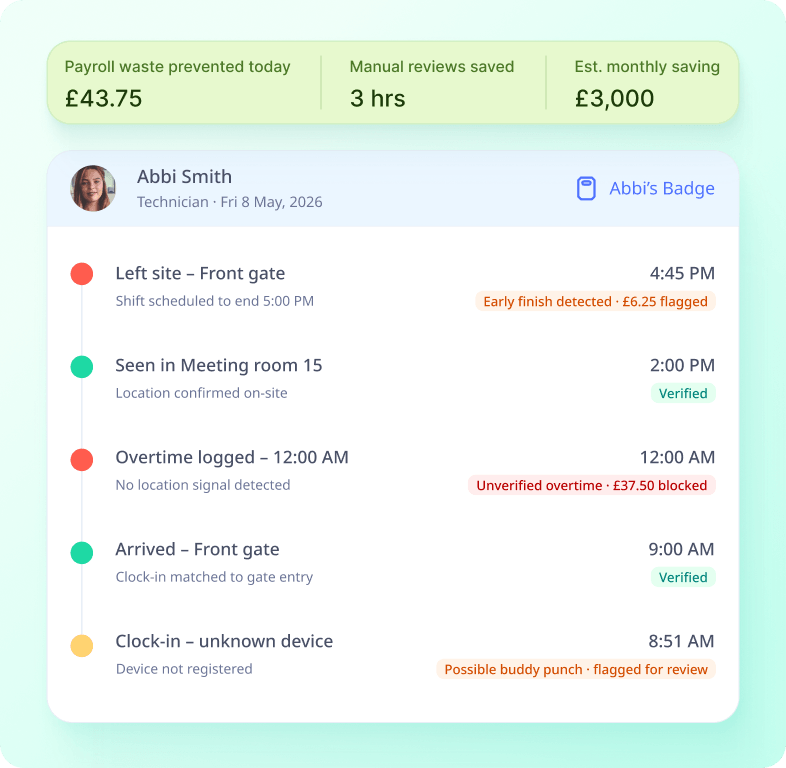
- Verifying staff hours, overtime, breaks, and split shifts
- Knowing exactly where staff are within busy, multi-floor buildings
- Protecting lone workers such as night porters or reception staff
- Giving managers visibility of rooms, floors, kitchens, bars, and back-of-house areas
Hospitality is built on service and timing. And each smooth guest experience is a lot like a swan on the water – beneath the surface, legs are frantically paddling to keep everything moving. And if you can’t see what’s happening, you can’t always stop small delays, missed tasks or poor communication from affecting guest reviews, revenue, and staff morale.

A great guest experience requires excellent back-of-house control
Hotels and hospitality venues never switch off. Teams are spread across guest rooms, kitchens, bars, restaurants, event spaces, laundry rooms, maintenance areas, car parks, and storage rooms.
There's no doubt that most hospitality teams work hard, and that shifts are carefully planned. But managers still struggle to keep track of where everyone is and what they’re working on, meaning it isn’t always clear which rooms are ready, who needs support, or whether urgent guest requests have been taken care of.
Despite various systems for bookings, payments, property management and guest requests, there is still often a gap between what those systems show, and what is actually happening on the hotel floor. Teams rely on radios, WhatsApp chats and paper checklists to keep jobs moving, which leads to delayed rooms, inconsistent service, higher labour costs, safety risks, and frustrated guests.
Lost Revenue
- Room Delays. Housekeeping delays mean guests arrive before rooms are ready, increasing complaints and service recovery costs.
- Missed Requests. When additional requests like room service are missed or poorly attended, each guest spends less on average.
- Brand Reputation. Visible cleaning issues, unresolved problems or slow service lead to negative reviews and fewer future bookings.
Higher Costs
- Payroll Waste. When hours, overtime, breaks, or split shifts are inaccurately recorded, you bleed dead money via your payroll bill.
- Inefficient Deployment. Managers who cannot see who is available or nearby may accidentally overstaff quiet areas while others struggle.
- Admin Burden. Supervisors spend too much time chasing updates, checking rooms, reconciling timesheets, and investigating guest complaints.
Staff Safety
- Lone Worker Risk. Housekeepers, night staff and maintenance workers need to know they are protected when working alone.
- Incident Response. If a guest reports a theft, a room issue, or a complaint about staff, managers need proof of who was nearby at the time.
- Contractor Visibility. When bringing in external contractors for maintenance work, you need to know which areas they accessed.
What successful hospitality businesses do differently
The successful businesses we talk to do not solve these problems by adding more checklists, printing off QR codes, doing more inspections, or hiring more staff. Instead, they give their duty managers, housekeeping supervisors, front desk teams and senior leaders more visibility over their people, their tasks, and their status.
They do this to reveal things like:
- Which floor, room, kitchen, bar, or area each person is in
- Which rooms have been cleaned, checked, or delayed
- Who is the nearest available staff member to take on a guest request
- How long each housekeeping or maintenance task actually takes
- How far through the day’s tasks a team is
- Whether contractors are where they’re meant to be
- How timesheets compare with actual hours spent in working zones
- Whether lone workers are safe and moving as expected
- Why certain teams perform better than others
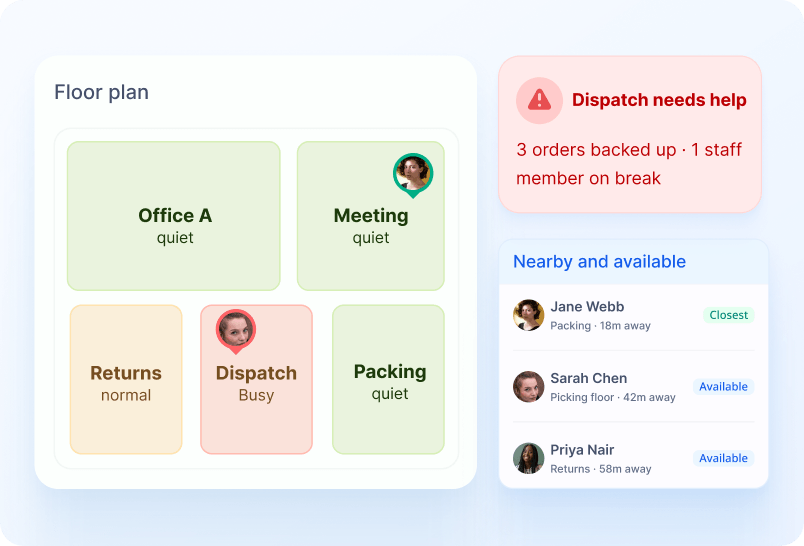
This information helps hotels and other hospitality businesses to reduce delays, support staff more fairly, investigate incidents faster, improve task completion, and protect your brand reputation.